
Philippines specifications · checked 2026-08-24
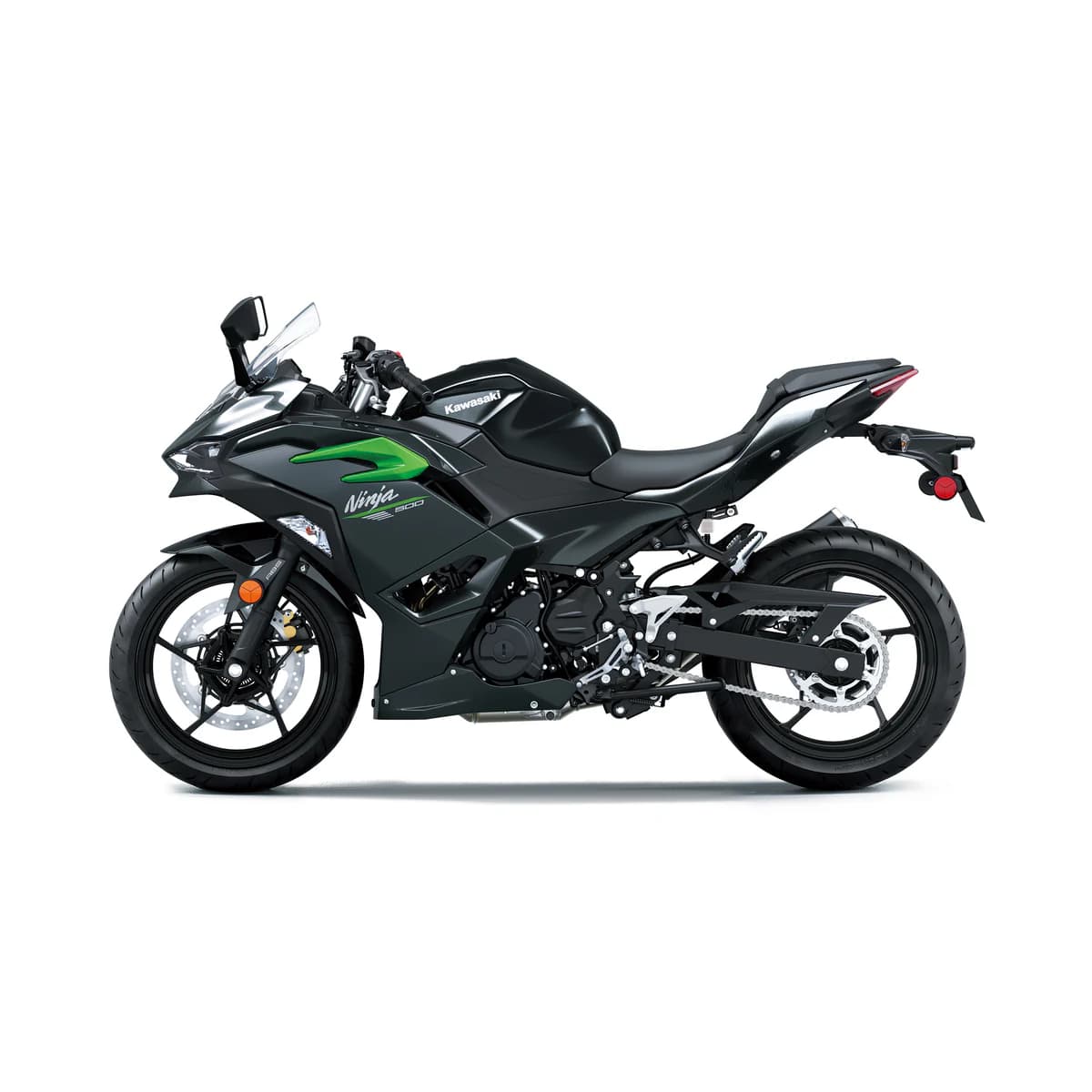
Kawasaki Ninja 400 specifications
Engine, power, torque, dimensions, seat height, weight, fuel capacity, tire sizes and braking data for the Kawasaki Ninja 400. The figures below match the specifications shown in the main motorcycle guide.
Technical data
Kawasaki Ninja 400 specs table
Use the complete specification, not one number in isolation, when comparing fit, performance or replacement parts.
Engine displacement399 cc
Maximum power45 hp
Maximum torque37 Nm
TransmissionCheck current source
Curb weight168 kg
Seat height785 mm
Fuel tank14 L
Fuel economy29 km/L · planning estimate
Ground clearanceNot published in the stored record
Front tire110/70-17
Rear tire150/60-17
Brakes / ABSDual-channel ABS
GenerationCurrent
CategorySport bike
How to read the numbers
What matters beyond engine displacement
Seat height + weight
A low seat can help at a stop, but curb weight, seat width and suspension sag also affect low-speed confidence.
Power + torque
Peak output does not describe the whole riding experience. Gearing, throttle response, rider aids and where the torque arrives also matter.
Tires + brakes
Match the full tire specification and confirm the exact ABS/braking equipment on the Philippine-market model or variant.
Specification source
Manufacturer/dealer source pending recheck
Open specification source ↗Record checked 2026-08-24. Manufacturers can revise specifications and equipment by model year or market.Cross-shop
Similar sport bike motorcycles
Compare nearby alternatives using the same core specification fields.

KTM RC 390
₱335,000
KTM Philippines official base price · checked 2026-09-09373 cc43.5 hp824 mm seatManualCurrent model
Kawasaki Ninja 400 specifications FAQ
What is the engine size of the Kawasaki Ninja 400?
The Kawasaki Ninja 400 has a 399 cc engine producing 45 hp and 37 Nm of torque.
What is the seat height of the Kawasaki Ninja 400?
Seat height is 785 mm. Actual ground reach also depends on your inseam, seat width, suspension sag and footwear.
How much does the Kawasaki Ninja 400 weigh?
Curb weight is 168 kg. Check the exact model year if your motorcycle or local specification differs.
What tire sizes does the Kawasaki Ninja 400 use?
It uses 110/70-17 at the front and 150/60-17 at the rear. Match the full size, load rating, speed rating and front/rear application when buying replacements.